Physical Address
304 North Cardinal St.
Dorchester Center, MA 02124
Physical Address
304 North Cardinal St.
Dorchester Center, MA 02124

What do you want to do? A simple question can reveal something surprisingly difficult: whether we know ourselves well enough to distinguish what is expected of us from what genuinely calls us forth, and whether we possess the Will to live accordingly.
I arrive at a parking lot in a car shiny as no other. I had just washed it, and nothing makes you realize how dirty something was until a good cleaning has been done. Maybe there is an analogy of one’s soul in that statement? But that’s for another time. The point being: I do love a clean car.
I had recently returned from a trip and had borrowed the car from a close friend of mine. I’m here to leave the car and meet up with my friend. After hugs and the preludes of conversation, he offers to drive me to the train station. During the ride, the subject of his birthday comes up. It is soon, and I ask him how he is going to celebrate—or if he is going to celebrate. He proceeds by giving suggestions with little to no conviction. The usual things: coffee with the family, maybe grilling.
I decide to address this apparent lack of conviction regarding what is, in my opinion, an important day. He professes that these things are merely responses to the tacit agreements of society and social interaction, and not something he actually feels that he wants to do. I can sympathize greatly with this statement, and I ask him the more important question:
“What would you like to do if you could choose?”
The car falls silent.
After a while, he responds:
“I don’t know…”
To see my friend hurting puts weight on my heart, and I encourage him to reflect on this most important of questions:
“What do you want to do?”
Essentially, it may be one of the greatest questions of all, for hidden within it is another:
“Who are you?”
And I cannot, in this moment, see a more horrible fate than that of the person who may not know, nor dare to say, who they are and what would give them joy.
First of all, one’s day of birth marks the entrance of one’s physical existence into life, and the way we view our own birth—or birthday—I believe tells us something about our relationship to ourselves and our life. The first step of the human experience is that of being: that you are. That you have the ability to survive, to feel, to think, to want, and to be. To be connected, to know yourself, to be safe. To bring the earth up toward spirit.
To be is to have the physical foundation of who you are appreciated, strong, and safe. It is our ability to fulfil what we essentially need: food, shelter, and comfort. It is to feel belonging, acceptance, and connection. It is the feeling of autonomy—that you, as a person, have the foundation to be who you are. That which you want, think, feel, and do must, in some manner, be brought into balance. For this balance to emerge, you must have the ability to know and to be who you are made to be.
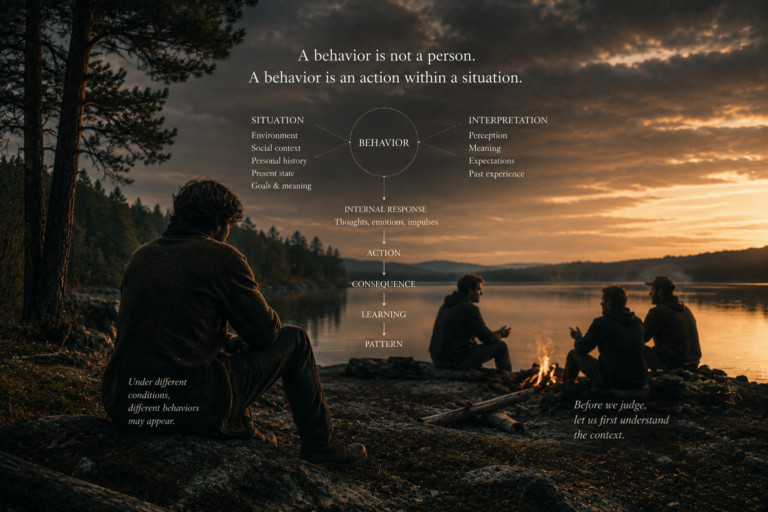
To do is a direct product of being. If you cannot be, you may never truly do. To know that you are an individual, that you and what you want matter. Without this internal security, the balancing force of action will be sought in others. If the person isn’t, the person must be directed. This may happen through other people, through one’s own misdirected mind, or by simple influence and reaction. But the sense of being able to do and the act of doing are not the same thing.
We not only are. We do not only exist. We are also in a constant progression of creation. All things are in motion, from the micro to the macro, and so are we. From the moment we open our pretty little eyes in the morning until we go to bed, that which is you is in motion. From spirit to mind, from emotion to action. From the individual’s heart, thoughts, aspirations, and interpretations to the movement of the stars, all things are in motion.
We are merely and not so merely sparks of conscious energy on our journey through time and space?
But movement alone cannot dictate life. If that which is taken is not balanced with that which is created and given, it opens the doors to despair. Just as the one who worships his Will, intellect, and truth may fall out of balance with the world, the body, and relationships, the person who only receives may cease to participate in the creation of their own life.
The one who spends their days scrolling on a phone or watching a series for ten straight hours is still stimulated and interpreting, and therefore in a sense still in motion. But the complete overconsumption that denies all other parts of your being cannot, in any sense I can see, be called living fully. For those hours, part of your participation has been outsourced to an external medium. You are participating in a story someone else has presented to you—and many times one you did not even select, at the price of your attention and for the profit of another.
I do love a good story, and all media that present one. From the movie to the opera, the bright colours of my phone, and the social-life emulation of a series. I may fall victim to these things myself, have done so, and undoubtedly will again. I am not saying that you shouldn’t consume media, nor that a person shouldn’t go to work for someone else. But if that which is received is never balanced by that which comes from ourselves—something created, given, loved, built, or expressed—something essential seems to be lost.
The Will: the executive process through which desire, deliberation, and intention become directed action.
“A man can do what he wills, but he cannot will what he wills.”
To want and to follow through is an art in itself. When I speak about the Will, I do not merely refer to the reactive and impulsive parts of the person. The “I want ice cream right now” part of the person. Going on vacation, engaging in intercourse with the person who seems to flirt with you, or eating the last cookie, part of the person.
To follow the lower senses and reactions makes the Will appear easy to exercise.
“Just do it.”
But when faced with a matter of real importance—that one conversation, the writing, the loving, the company, the creation—resistance appears, and the Will may never come to fruition.
Unfortunately, the one who repeatedly denies their higher Will may eventually fall under the impression that the Will never existed in the first place, and in time find themselves ignoring it altogether. They may assume themselves to be the authors of their own lives while mistaking surface-level thoughts, feelings, decisions, and reactions for all that they are.
It has always seemed to me however that most presume they possess the ability to do the things they truly want. That the actions they take come from themselves. That they act according to their own Will. But looking back on my own life, and through observations and conversations with thousands of people, little seems further from the truth. We frequently do not do that which we claim we want to do. We contain conflicting ideas, desires, habits, impulses, fears, and contradictory actions.
The capacity of Will, therefore, seems to me something that must be cultivated. It is a practice: the deliberate, concentrated, attentive practice of Will. To allow the inner calling of truth to shine forth through you requires that other parts of you sometimes be denied their immediate expression. An impulse may have to pass without being acted upon. An emotion may have to be felt without being obeyed. An idea may have to be questioned. Comfort may have to be surrendered.
Presence may be the prerequisite for all good things. To be here and now, to play with all the parts that may need your attention. To discern, to perceive, to feel. To be content with that which is and your place within it. The past must, in some manner, be met with reason and empathy; the present with willing attention and acceptance; and the future with habits, decisions, and faithfulness to the heart.
I believe, God willing, that a state of presence is available to those willing to participate in the elevation of their conscious state and the closer connection of one’s soul to Source.
You are meant to be here and now.
Not necessarily comfortable. Not without sorrow, difficulty, or uncertainty. But capable of participating fully in the life that is actually before you, whatever we may feel and think along the way.
To participate directly, to allow that which is to be, and to follow that which you are called to do is, to me, to live in acceptance and cooperation with the eternal Source from which you once appeared and to which, one day, you will return. To do this, you do not only have to know yourself. You must also dare to act in accordance with the Self you have found.
No one else may train the Will of another. No one else may make another happy. The work must ultimately be done by one’s own hand. But what I and others may do is guide attention, motivate, and encourage those on the journey ahead. To invite the one who does not know to search, and the one who does not dare to try. For all the times that you do not find, and for all the attempts that come up short, perhaps a lesson has nevertheless been taught or an attachment let go.
The human being seems to be created to create, not only to consume and take. How this ought to be practically interpreted remains a question for the philosophers. Nonetheless, we seem compelled to express and create that which demands to be expressed and created in this world. Whether it be the words that must be said or the painting that has to be painted. The business that must be started or the child who must be loved. The things that emerge from the source of who you are, the things which only you may hear, see and follow.
I believe that all things exist by divine providence, that all things have reason and serve a purpose. Part of that purpose, it seems to me, is to become that which is you in its truest sense, and to be able and dare to act accordingly—even though you might not yet be able to see it, or in a particular moment refuse to.
Even if the cosmology of this statement does not resonate, I hope most will agree with the simpler point beneath it: to live a good life, you must not only accumulate the resources and abilities necessary to survive. You must also be able to care for yourself in regard to your emotions, that which you feel and want, and to connect and interplay not only with the world, but also with the part of you that is calling you forth.
Maybe the question:
“What do you want to do on your birthday?”
is one of the hardest questions we will ever receive? It asks you:
_Who are you? What do you want? Are you happy with the life you are living?
From the difficulty of being to the courage of doing. From the balancing of wants, thoughts, emotions, and actions, to the decisions we make and the trust that this path may lead us home. All of it brings me back to that newly washed car.
One day, perhaps, you will sit beside a friend while driving toward a train station. Your birthday will be approaching, and your friend will turn toward you and ask:
“What do you want to do?”
Will there be an answer? If there is, is it true?
Have you done the work required to know the difference between what is expected of you and what genuinely calls to you?
Have you developed the capacities necessary to make it happen?
And when the answer finally comes, do you possess the force of Will to do it?